Many people ask us: « How does Lovup actually work? ». Here we explain our complete method, the 3 coaching steps, the tools used, and what sets us apart from other relationship coaches.
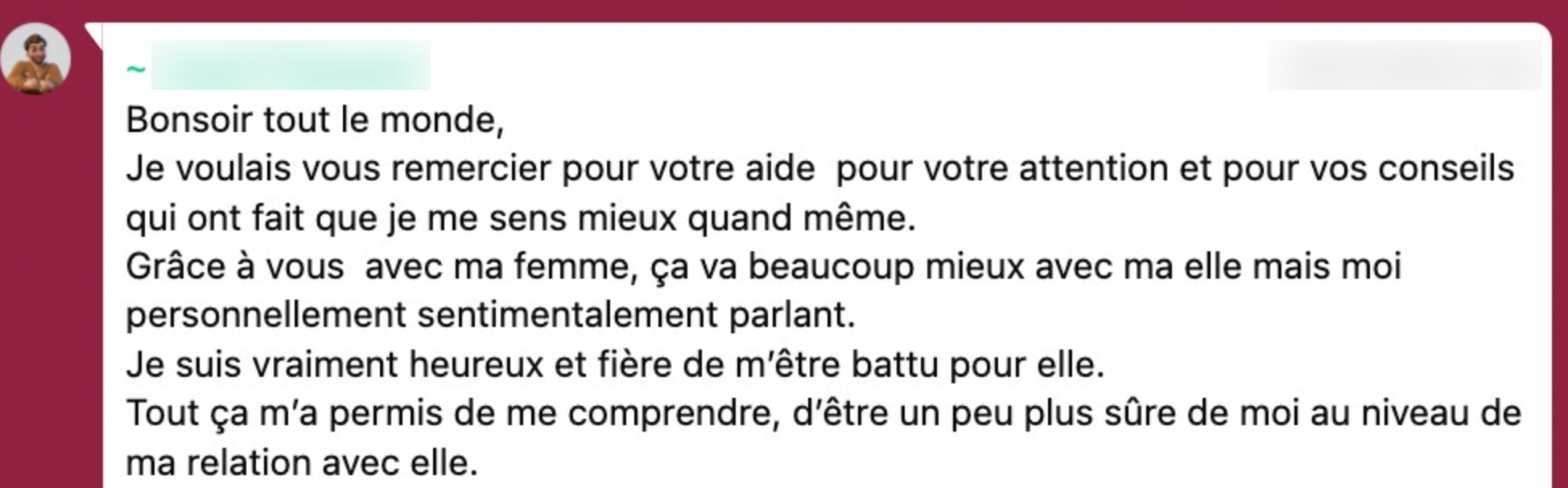
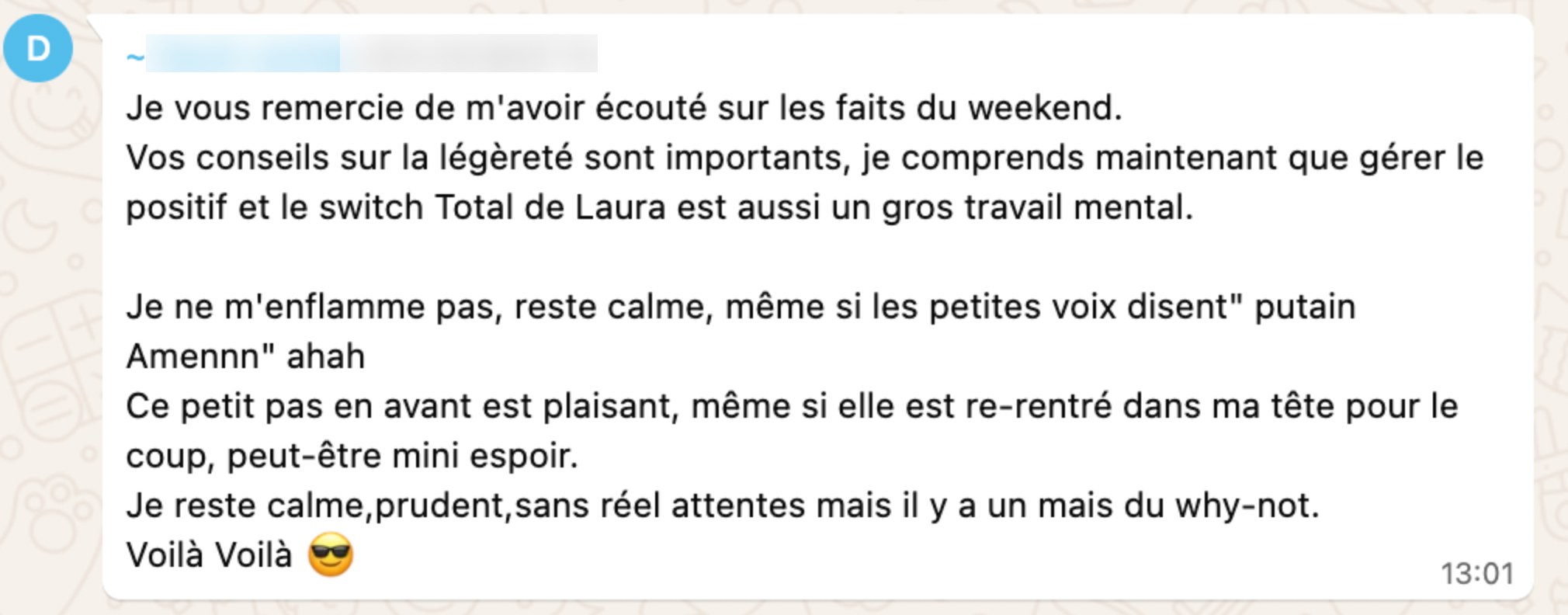
Rather than describing the method in detail, here is a testimonial from a client who applied it and shares the steps he went through.
Our founding principle
The Lovup method rests on a firm conviction: there is no « miracle formula » for winning someone back. Every breakup, every couple, every story is different. Our role? To assess your situation precisely, then build a tailored action plan with you.
Three pillars structure everything we do:
- Understand before acting: a careful analysis of the breakup
- Act intelligently: a sequential action plan adapted to your case
- Transform lastingly: build personal changes that stick
Step 1: Stop communicating
The first step is counter-intuitive: stop communicating with your ex for a defined period (generally 21 to 45 days depending on your case).
Why? Because as long as you’re on your ex’s radar, they don’t miss you. A no-contact period creates the space needed for them to start asking themselves the right questions about the breakup. Meanwhile, you work on yourself.
This step includes:
- A clear framework with your coach on the length of the no-contact period
- Managing the urge to break it (phone, social media)
- Intensive emotional work on yourself (grief, anger, longing)
- An honest audit of what went wrong in your relationship
Step 2: Create visible change
While you’re not in contact, you need to genuinely change. Not just on the surface. Our method works across 4 dimensions:
- Physical: exercise, self-care, wardrobe, energy
- Social: a new life, new friends, going out, new experiences
- Emotional: emotional independence, managing longing, confidence
- Identity: who you really are beyond the relationship you lost
The goal: by the time you reach out again, you are objectively a better version of yourself. Not just superficially.
Step 3: Turn the situation around
Making contact again. This is the most delicate and most strategic step. A poor first message can undo everything. A good first message can open everything up.
Your coach works with you on:
- The timing of the first contact (day, time, context)
- The exact content of the first message (text, email, voice note)
- Handling the response (positive, negative, silence)
- The progression towards a first meeting
- The decisive meeting (where to go, how to behave, what to say)
- Getting back together on healthy foundations
Lovup’s specific tools
To make all of this practical, you get access to:
- 📓 The recovery journal: guided daily exercises
- 📞 Video sessions with your dedicated coach (1 to 2 per week)
- 💬 Private 24/7 messaging with your coach
- 📚 Method sheets for each step
- 👥 Private community with other clients on the same journey
What makes the Lovup method different
- An approach grounded in relationship psychology, not just « getting your ex back »
- A dedicated coach throughout the programme (no copy-paste replies)
- A daily action plan, not just theoretical advice
- Several years of experience supporting people through relationship recovery
👉 Book your free consultation to find out how the method applies to your situation.